

News Center
Contact Information
Contact Information:
+86-15131787803 (Manager Li)
Sales Staff Ⅰ:
+86-17303278031 (Manager Wang)
Sales Staff Ⅱ:
+86-13111774911 (Manager Wang)
E-mailⅠ:
Manager Li:
E-mail Ⅱ:
Manager Wang:
Address: No. 64 Xiwuzhuang Village, Leshou Town, Hebei
Mastering the Best Practices for Using New Double Joist Hangers for 2x6 in Construction
Release time:
Nov 02,2024
Implementing best practices for using double joist hanger 2x6 in your construction projects is essential for ensuring durability and safety
1. Introduction to Double Joist Hangers
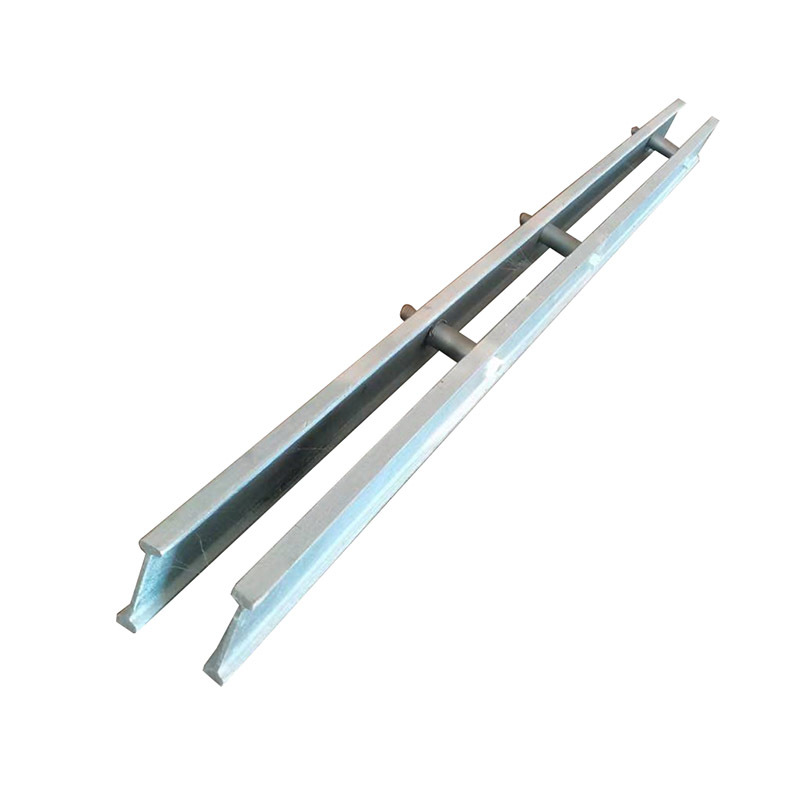
Double joist hanger 2x6 play a crucial role in modern construction, particularly when working with 2x6 lumber. These metal brackets are designed to support horizontal joists, providing additional strength and stability. When installed correctly, double joist hangers not only enhance the structural integrity of a building but also ensure that weight is evenly distributed across the framework. This article delves into the **best practices** for using these essential components, guiding you through every step of the process.
2. Understanding the Importance of Joist Hangers
Joist hangers are fundamental in maintaining the **safety** and **durability** of structures. They are especially important in areas that may experience heavy loads, such as decks, floors, and roofs. Properly installed double joist hangers ensure that the joists are securely held in place, minimizing the risk of shifting or sagging. Moreover, they comply with local building codes, which often stipulate the use of joist hangers for specific applications.
3. Types of Double Joist Hangers for 2x6
There are several types of double joist hangers available for 2x6 applications, each designed for specific load-bearing capabilities and installation methods. The most common types include:
- **Face-mount hangers**: These are attached directly to the side of a beam and are widely used due to their ease of installation.
- **Top-flange hangers**: These are fastened to the top of the joist, offering a different load distribution method.
- **Post-cap hangers**: Designed for use with posts, these allow for additional support at the intersection of beams and posts.
Selecting the right type of hanger is essential for ensuring that your construction project meets structural requirements.
4. Factors to Consider When Choosing Joist Hangers
When selecting double joist hangers for your project, consider the following factors:
- **Load capacity**: Ensure the hangers can support the intended load. Check the manufacturer's specifications for load ratings.
- **Material**: Most hangers are made from galvanized steel or similar materials to resist rust and corrosion, especially in outdoor applications.
- **Size**: Choose hangers that are compatible with the dimensions of your 2x6 joists.
- **Building codes**: Always adhere to local building regulations that dictate the type and size of hangers required for your project.
5. Step-by-Step Installation Guide for Double Joist Hangers
Installing double joist hangers may seem straightforward, but following a systematic approach is critical for ensuring a successful installation. Here’s how to do it:
5.1 Preparing Your Tools and Materials
Before you begin, gather the necessary tools and materials, including:
- Double joist hangers
- Joists (2x6)
- Wood screws
- Hammer or nail gun
- Drill
- Measuring tape
- Level
- Pencil
5.2 Measuring and Marking the Joists
Start by measuring the distance between the beams where the joists will be placed. Use a pencil to mark the locations clearly. Ensure that your measurements are accurate to prevent misalignment during installation.
5.3 Attaching the Double Joist Hangers
Position the double joist hanger on the marked location. Using a level, ensure that the hanger is straight. Secure it in place with wood screws, ensuring that you follow the manufacturer's instructions regarding the number and placement of screws.
5.4 Securing the Joists
Once the hangers are installed, it’s time to add the 2x6 joists. Slide each joist into the hanger, ensuring it sits fully in place. Secure the joist with additional screws to ensure a tight fit. Double-check for levelness throughout the installation process.
6. Common Mistakes to Avoid with Joist Hangers
To achieve optimal results, avoid the following mistakes:
- **Ignoring load ratings**: Always check the load capacity to ensure safety and compliance.
- **Using the wrong type of screws**: Always use screws recommended by the manufacturer for optimal holding power.
- **Poor alignment**: Ensure that hangers and joists are perfectly aligned to avoid structural issues later.
- **Neglecting building codes**: Familiarize yourself with local regulations to ensure your project meets safety standards.
7. Maintenance Tips for Long-lasting Performance
Joist hangers require minimal maintenance, but it’s essential to periodically inspect them, especially in outdoor settings. Here are some tips:
- **Check for rust**: Inspect galvanized hangers for signs of corrosion. If rust appears, consider replacing them.
- **Tighten screws**: Over time, screws may loosen. Regularly check and tighten any loose screws to maintain stability.
- **Inspect for damage**: Look for cracks or deformation in the hangers, particularly after heavy storms or seismic activity.
Conclusion
Implementing best practices for using double joist hanger 2x6 in your construction projects is essential for ensuring durability and safety. By understanding the types of hangers available, following a systematic installation process, and avoiding common mistakes, you can significantly enhance the structural integrity of your builds. Regular maintenance and adherence to local building codes will further ensure that your projects not only meet but exceed safety standards. With this knowledge in hand, you are well-equipped to tackle your next construction endeavor confidently.
Key words:


Company Address:
No. 64 Xiwuzhuang Village, Leshou Town, Hebei
Tel: +86-15131787803 (General Manager Li)
Sales Staff Ⅰ: +86-17303278031
Sales Staff Ⅱ: +86-13111774911
E-mailⅠ: sales@maishengbuild.com
E-mail Ⅱ: wang@maishengbuild.com

Alibaba Store

Tik Tok